EPR Registration in India | LexAccord Global

Environmental compliance · India

EPR Registration in India

One coordinated pathway for plastic, electronics, batteries and tyres

EPR registration is a category-specific environmental compliance process that links producers and importers to end-of-life waste obligations, with four separate CPCB-led pathways covered on this page.

LexAccord Global maps your products, packaging and market data to the correct rules, prepares portal-ready filings and builds the operating controls needed after registration.

End-to-End Regulatory Ownership—from applicability to annual compliance

Compliance team reviewing EPR registration data for plastic, electronics, batteries and tyres
Four waste streams. Separate rules. One coordinated compliance programme.
4distinct waste streams
4category-specific portals
2022key EPR rule year
360°registration-to-returns support

Regulatory overview

What EPR registration covers in India

EPR registration is the formal onboarding of an obligated entity to the applicable waste-management framework, followed by measurable duties for targets, certificates, records and returns.

Last reviewed on 4 August 2026 · Regulatory authority: MoEFCC / CPCB and applicable SPCB or PCC

Extended Producer Responsibility moves part of the end-of-life burden from the public waste system to the businesses placing covered products or packaging on the market. Applicability turns on the legal definition of producer, importer, brand owner or processor—not on how a business informally describes itself.

A single SKU may create overlapping obligations. For example, connected equipment with an embedded battery and plastic packaging can engage three different frameworks. LexAccord builds the compliance matrix before filing so registrations, historical data and annual plans remain internally consistent.

Comparison of the four EPR registration pathways
Waste streamPrimary frameworkCore obligated entityValidity / timing
Plastic packagingPWM Rules, 2016 + Schedule IIApplicable PIBOsCertificate and portal terms apply
E-wasteE-Waste Rules, 2022Producer of notified EEEProducer registration generally 5 years
Battery wasteBWM Rules, 2022Producer, including applicable importer5 years; complete applications targeted in 2 weeks
Waste tyresHOWM Amendment Rules, 2022Applicable tyre producer/importerPortal certificate terms apply

Government portal fees and professional fees vary by stream, entity type, quantities and filing history. A written scope-and-fee proposal follows the initial assessment.


Applicability

Who requires an EPR scope assessment

An EPR scope assessment is relevant to businesses that manufacture, import, brand or place covered packaging, electronics, batteries or tyres in the Indian market.

  • Indian manufacturers selling covered goods under their own brand
  • Importers of packaged goods, EEE, batteries, battery-containing equipment or tyres
  • Brand owners using third-party or contract manufacturers
  • E-commerce and private-label businesses acting within a producer definition
  • Businesses adding a new category, brand, packaging format or product code
  • Registered entities with past targets, return gaps or portal mismatches

Registration services

Four EPR pathways, coordinated around your go-to-market plan

Each service begins with legal applicability and data reconciliation before documents are committed to a category-specific portal.

01

Plastic Waste EPR Registration

This covers registration and EPR planning for applicable producers, importers and brand owners introducing plastic packaging in India under the Plastic Waste Management Rules, 2016 and Schedule II EPR Guidelines.

Four plastic-packaging categories are recognised for EPR reporting.
02

E-Waste EPR Registration

This covers CPCB producer registration, product-code mapping and target setup for notified electrical and electronic equipment under the E-Waste (Management) Rules, 2022.

The 2022 Rules took effect on 1 April 2023.
03

Battery Waste EPR Registration

This covers producer registration and obligation planning for batteries introduced in India, including batteries supplied inside equipment, under the Battery Waste Management Rules, 2022.

The Rules apply across portable, automotive, industrial and EV batteries.
04

Waste Tyre EPR Registration

This covers CPCB registration and EPR-obligation mapping for applicable tyre manufacturers, importers and producers under the waste-tyre regime in Schedule IX of the Hazardous and Other Wastes Rules.

The target is 100% from FY 2024–25 onward, calculated under the notified formula.

Application readiness

Documents and data commonly required

A complete application normally combines entity evidence, product or material data and authorised declarations; exact requirements vary across the four portals.

Entity records

  • Incorporation or constitution proof
  • PAN and GST registration
  • Registered and operational addresses
  • Authorised-signatory records

Product and market data

  • Brand and SKU list
  • HSN or product-code mapping
  • Packaging material and weight data
  • Historic manufacture, import or sales quantities

Compliance evidence

  • Declarations and portal undertakings
  • Factory, consent or licence records where applicable
  • Recycling or waste-channel plan
  • Prior registrations, returns and target records

Waste categories

Category-specific EPR compliance coverage

The four categories differ in covered materials, producer definitions, target calculations and approved routes for fulfilling obligations.

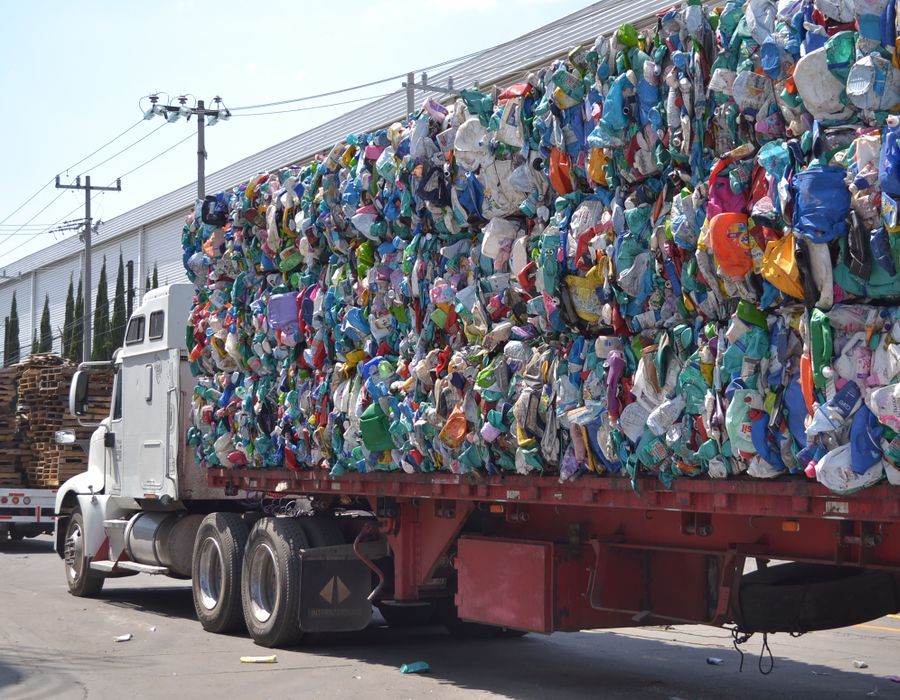
Truck loaded with compressed plastic bales ready for recycling

Plastic packaging

  • Rigid plastic packaging
  • Flexible, multilayer and compostable categories
  • Recycling, reuse, recycled-content and end-of-life routes
Pile of discarded computer circuit boards at an electronics recycling site

Electrical and electronic equipment

  • Schedule I product-code assessment
  • Historical sales and average-life mapping
  • EPR certificates from registered recyclers
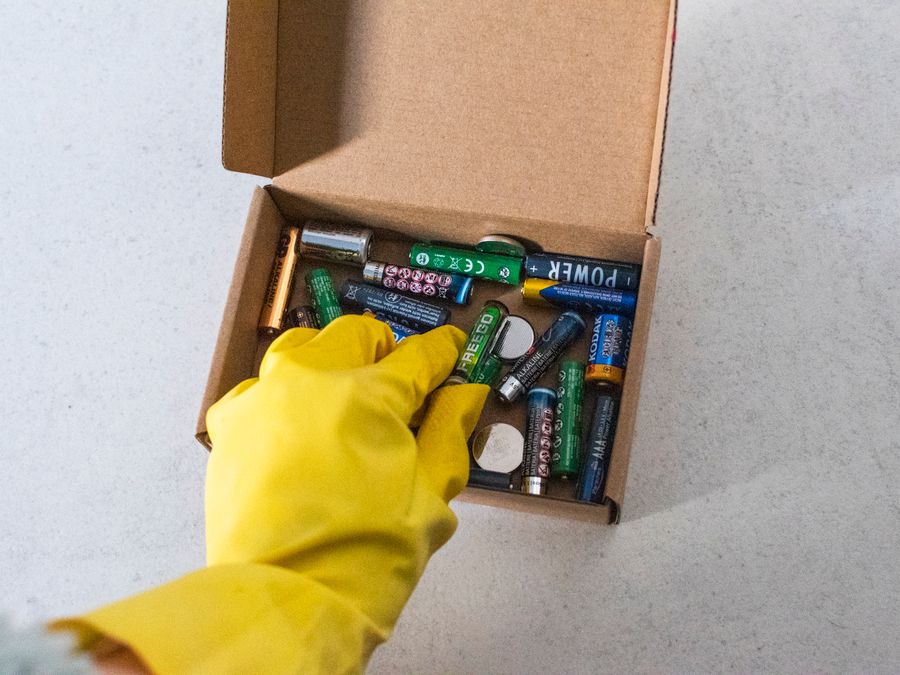
Gloved hand placing used household batteries into a box for recycling

Batteries

  • Portable, automotive, industrial and EV batteries
  • Battery chemistry and metal mapping
  • Collection, recycling and recycled-material obligations
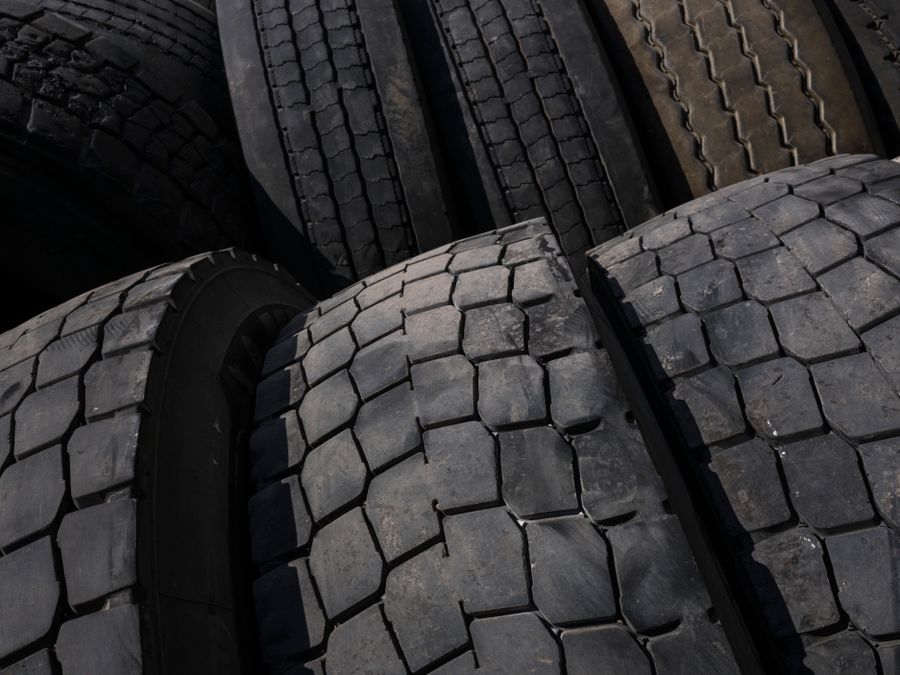
Stack of used tyres waiting for recycling

Tyres

  • New tyre and waste-tyre importer assessment
  • Y-2 quantity-based obligation mapping
  • Registered recycler and retreader ecosystem

Why LexAccord Global

EPR decisions connected to commercial execution

LexAccord coordinates the legal, operational and data work needed to move from category assessment to defensible ongoing compliance.

01

Correct scope before filing

We test product, packaging, brand and importer roles across all four waste frameworks.

02

Audit-ready data trail

Historical quantities, material weights and portal entries are reconciled before submission.

03

Predictable market readiness

EPR is sequenced with import, manufacturing and product-certification dependencies.

04

Post-registration ownership

Targets, certificates, returns and amendments are planned as an operating calendar.

Process

From applicability review to ongoing EPR control

The six-stage process converts product and market data into the correct registration, target plan and recurring compliance calendar.

  1. 01

    Applicability assessment

    Map products, packaging, batteries, electronic equipment and tyres against the four applicable waste rules.

  2. 02

    Entity and data mapping

    Confirm the correct producer, importer, brand-owner or other stakeholder category and reconcile historic market data.

  3. 03

    Document preparation

    Prepare entity records, product or material data, declarations, authorisations and supporting evidence for the relevant portal.

  4. 04

    Portal filing

    Submit the category-specific application, respond to CPCB or SPCB queries and track the registration decision.

  5. 05

    Target planning

    Calculate applicable obligations and establish a defensible plan for recycling, certificates and authorised waste-channel partners.

  6. 06

    Ongoing compliance

    Maintain records, manage EPR certificates, file returns and review amendments, portal notices and annual targets.

Industries served

EPR support for product-led and import-dependent businesses

Seven industry clusters commonly create one or more EPR touchpoints across packaging, electronics, batteries and tyres.

  1. 01Consumer electronics and appliances
  2. 02Medical devices and diagnostics
  3. 03Automotive, mobility and EV
  4. 04FMCG, food and cosmetics
  5. 05E-commerce and private labels
  6. 06Industrial equipment and energy storage
  7. 07Importers and overseas manufacturers

Frequently asked questions

Direct answers on EPR registration and compliance

These answers address the highest-intent questions on scope, registration, validity, documents and continuing obligations.

EPR registration records an obligated entity on the relevant environmental portal and links it to responsibilities for the collection, recycling or environmentally sound management of specified post-consumer waste. Plastic packaging, e-waste, batteries and waste tyres are governed by separate rules, portals, definitions and targets.

No. Each waste stream uses a separate legal framework and registration pathway. A business placing a battery-powered electronic product in plastic packaging may need plastic-packaging EPR, e-waste EPR and battery-waste EPR after a product-specific applicability assessment.

Applicable producers, importers and brand owners of plastic packaging must register and meet obligations under the Plastic Waste Management Rules, 2016 and the EPR Guidelines in Schedule II. The correct authority and portal workflow depend on the entity’s operations and applicable category.

The definition includes persons who sell notified electrical or electronic equipment under their own brand, sell assembled equipment under their own brand, offer imported equipment for sale, or import used electrical and electronic equipment, subject to the exact rule scope and Schedule I.

They can. The Battery Waste Management Rules, 2022 apply to batteries regardless of chemistry, shape, volume, weight, material composition and use, and cover producers that manufacture or sell batteries, including batteries in equipment, under their own brand or through import.

Yes, where the importer falls within the notified producer definition for new tyres or waste tyres. Registration, historical quantity data and the applicable target formula should be checked before import or market placement.

Validity is stream-specific and must be verified from the registration certificate and current portal procedure. Producer registrations under the e-waste and battery frameworks are generally issued for five years under their respective CPCB procedures; plastic and tyre registrations must be checked against the applicable approval and current portal terms.

Common records include incorporation evidence, PAN, GST registration, authorised-signatory details, registered and operational addresses, product or material classifications, import or sales data, and declarations. The exact list differs by waste stream and stakeholder type.

No. Registration is the entry point. Obligated entities may also need to meet annual targets, obtain and adjust EPR certificates from registered processors, file periodic returns, maintain evidence and update portal data when products, quantities or entity details change.

The applicable rules permit regulatory action that may include environmental compensation, suspension or cancellation of registration and directions under environmental law. Payment of environmental compensation does not automatically extinguish an unfulfilled EPR obligation where the rules provide for carry-forward.

Plan your market entry

Know which EPR registrations your products actually need.

Receive a focused review of your legal entity, product portfolio, packaging, import model and available market data.

  • Four-stream applicability matrix
  • Document and data-gap list
  • Registration and post-approval roadmap