Workshop
Tools, Machinery & Test Equipment
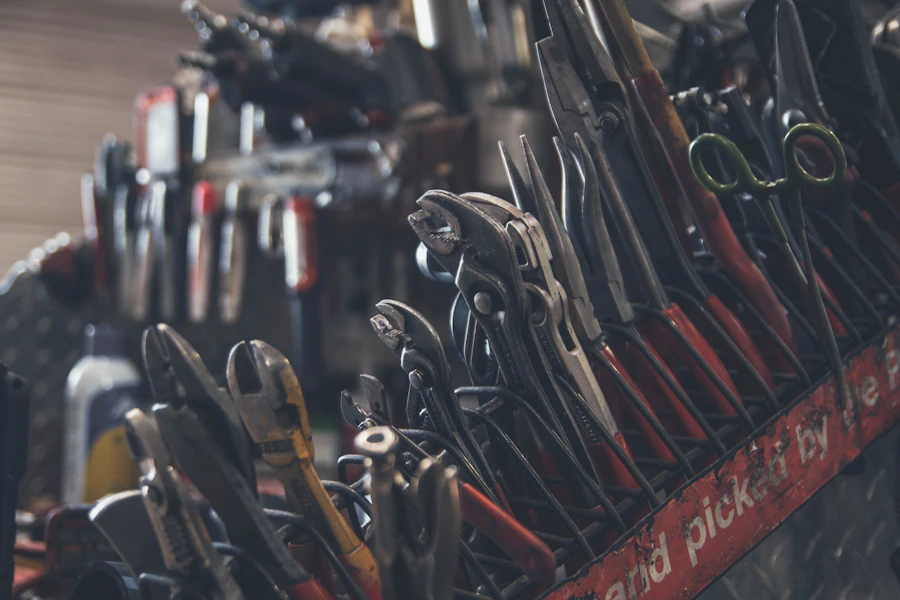
Workshop capability should match the intended repair scope, from retail scales to industrial weighing systems or weighbridges.

From 1 May 2026, the central Legal Metrology Act uses “registration certificate” instead of the earlier repairer-licence terminology.
LexAccord Global supports applicability assessment, workshop-readiness review, technical personnel documentation, tools and test-weight mapping, State filing, amendments, inspection readiness and ongoing Legal Metrology compliance.

Workshop, tools, technicians, test weights and scope should match the instruments being repaired.
Some State portals may continue to display the legacy “Repairer Licence” terminology while States transition their Enforcement Rules to the post-May-2026 registration framework.
Repairer Registration is the State Legal Metrology authorisation for eligible businesses that repair or otherwise service regulated weights and measures.
The statutory repairer definition is broader than mechanical repair. It includes adjustment, cleaning, lubrication, painting and other servicing intended to make a weight or measure conform to prescribed standards.
Last regulatory review: 7 September 2026 · Section 23 · Legal Metrology Act, 2009
| Regulatory Point | Current Position |
|---|---|
| Primary Law | Legal Metrology Act, 2009 |
| Key Provision | Section 23 |
| Definition | Section 2(p) |
| Current Terminology | Repairer Registration Certificate |
| Legacy Search Term | Legal Metrology Repairer License |
| Authority | Controller of Legal Metrology / authorised State officer |
| Jurisdiction | State / UT |
| Workshop | Generally required, subject to State rules |
| Technical Personnel | Common State requirement |
| Test / Reference Weights | Commonly required |
| Government Fee | State-specific |
| Validity | State-specific |
Section 23 contains a specific manufacturer exemption.
A manufacturer does not require a separate repair registration certificate to repair its own weight or measure in a State other than the State of manufacture. This exemption should not be stretched to cover unrestricted third-party repair services, multi-brand servicing or a separate commercial repair business.
| Role | Primary Activity | Typical Infrastructure |
|---|---|---|
| Repairer | Repair / adjust / service | Workshop, tools, technicians, test/reference standards |
| Manufacturer | Manufacture regulated instruments | Production and testing facility |
| Dealer | Sell / supply / distribute | Sales or storage premises |
Repairer Registration is connected to actual workshop capability, not just paperwork.
Workshop capability should match the intended repair scope, from retail scales to industrial weighing systems or weighbridges.
Authorities may seek evidence of adequate test capacity, verification status and traceability of test or loan weights.
The live State checklist should be verified immediately before filing.
There is no single national Repairer Registration fee or security-deposit amount.
State Enforcement Rules may prescribe registration charges, amendment fees, security deposits, duplicate-certificate fees and renewal or retention treatment. Historic State portals can still display legacy licence amounts during the 2026 transition.
Confirm whether the proposed service falls within the statutory repairer definition.
Identify State jurisdiction, product categories and proposed repair area.
Review premises, machinery, tools, test weights, electricity and technical staff.
Prepare the State application and submit through the applicable portal / e-Maap-linked system or prescribed route.
Coordinate authority review, inspection where applicable, queries and issuance of the Registration Certificate.
Where repair affects accuracy, sealing, calibration or metrologically relevant components, the instrument may require statutory verification or re-verification before regulated use.
The operating workflow should distinguish technical repair from Legal Metrology verification. A repairer may service and internally test the instrument, but statutory verification remains a separate regulatory act.
| Expansion Area | Compliance Consideration |
|---|---|
| New instrument category | May require amendment, more tools, additional standards or authority approval |
| Additional workshop | May require a separate registration or premises endorsement depending on State framework |
| New district | Check whether current repair area covers the district |
| New State | Do not assume a State registration creates nationwide repair rights |
| New technical staff | Assess whether State records or supporting documents require update |
Workshop capability and regulatory records should remain aligned with the approved scope.
| /01 | Repair only approved categories |
| /02 | Maintain workshop capability and technical personnel |
| /03 | Maintain test/reference standards and traceability |
| /04 | Maintain repair/job records |
| /05 | Protect verification seals and marks |
| /06 | Facilitate re-verification where required |
| /07 | Assess amendments for workshop, scope, staff or area changes |
Workshop capability should be matched to actual repair categories.
Repair results may not be supportable without appropriate reference/test standards.
Qualifications and experience should be documented where the State framework requires them.
Internal calibration does not replace statutory Legal Metrology verification.
New instrument categories can require additional technical capability and authority action.
State-level registration should not be assumed to authorise nationwide repair operations.
The supplied research identifies the current Section 46 framework after the 1 May 2026 reforms.
| Offence Stage | Current Section 46 Position |
|---|---|
| First offence | Improvement Notice |
| Second offence | Penalty up to ₹5,000 |
| Subsequent offences | Fine of ₹2 lakh to ₹5 lakh |
We assess whether the actual services performed fall within the statutory repairer definition.
Tools, machinery, test weights, workspace, electricity and scope are reviewed before filing.
Qualifications, experience and supporting employee documentation are checked against the applicable State process.
The engagement can extend into Dealer Registration, Manufacturer Registration, Model Approval, Importer Registration and Verification & Stamping.
Direct answers on Section 23, workshop tools, manufacturer exemption, fees, validity, re-verification and penalties.
Legal Metrology Repairer Registration is the State-level authorisation required for eligible persons or businesses that repair regulated weights or measures. The statutory definition of repairer includes repair, adjustment, cleaning, lubrication, painting and other servicing intended to ensure conformity with Legal Metrology standards.
Where a business undertakes activities falling within the regulated repairer definition, Section 23 requires the applicable registration certificate. From 1 May 2026, the central Act uses the term registration certificate instead of licence, although State portals may still use legacy terminology during implementation.
Section 23 contains a specific exemption allowing a manufacturer to repair its own weight or measure in a State other than the State of manufacture without a separate repair registration certificate. This should not be treated as permission to operate an unrestricted third-party repair business.
Typical documents include business constitution records, PAN, GST, workshop proof, proprietor/director details, technical-personnel qualifications, machinery and tool lists, test-weight details and repair-scope information. The exact checklist varies by State.
The tools depend on the instruments being repaired. State forms commonly seek details of machinery, tools, accessories, electricity, technical personnel and adequate stocks of loan or test weights. The workshop should demonstrate capability appropriate to the approved repair scope.
There is no single India-wide fee. Repairer Registration fees are prescribed under the applicable State or Union Territory Legal Metrology Enforcement Rules and must be confirmed at the time of filing.
Validity depends on the current State framework. Older Enforcement Rules often provided fixed licence periods, but the central Act moved to a registration-certificate framework from 1 May 2026. Current State requirements should therefore be verified before quoting a validity period.
Where repair affects metrological accuracy, calibration, sealing or relevant components, statutory verification or re-verification may be required before the instrument is returned to regulated use.
Potentially, if the categories are included in the approved scope and the repairer has suitable technical capability, tools and test standards. New categories should be assessed before repair work begins.
Under the current Section 46 framework described in the supplied research, a first covered offence is addressed through an Improvement Notice, a second offence can attract a penalty up to ₹5,000, and subsequent offences can attract fines between ₹2 lakh and ₹5 lakh.
Repairer Registration should reflect what your workshop can actually repair, test and support.
Share your State, workshop details, repair categories and technical team.